

One of the more common questions we get—sometimes directly, sometimes not—is around fees.
“What do you charge?”
“Why does advice cost that much?”
“Can’t I just do this through my super fund or online?”
They’re fair questions.
And to be honest, if someone isn’t asking those questions, they probably should be. At Greybox Wealth, we’ve never tried to be the cheapest adviser in town, and we’re comfortable with that.
Because what most people are really trying to work out isn’t what advice costs…
It’s what they’re actually getting for that fee.
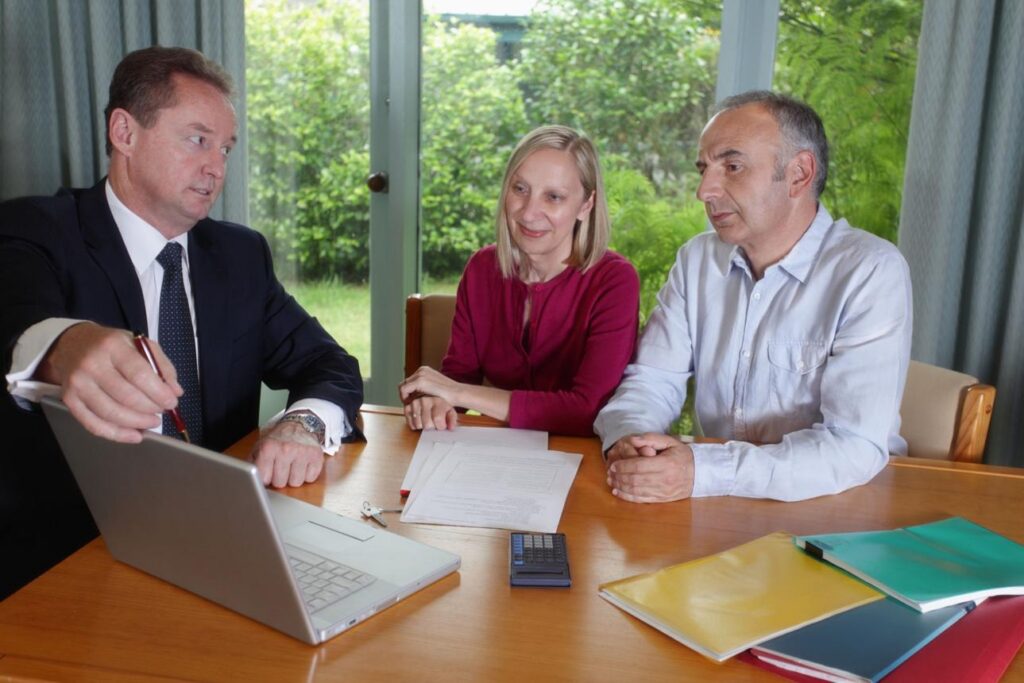
Years ago, financial advice was often seen as someone helping you pick a managed fund, recommending an insurance policy, or telling you which shares to buy.
That world has changed.
Today, quality advice is far less about products and far more about strategy.
It’s about helping someone work out whether they can retire two years earlier. It’s about structuring superannuation in a tax-effective way. It’s about understanding how an investment property might impact Age Pension entitlements. It’s about helping a business owner sell well, helping parents assist adult children without compromising their own retirement, or helping a surviving spouse make confident decisions during one of the hardest periods of their life.
That sort of advice doesn’t happen in a thirty-minute meeting and it definitely doesn’t happen through a call centre.
Over the past decade, financial advice in Australia has changed dramatically. Following the Royal Commission into Misconduct in the Banking, Superannuation and Financial Services Industry, education standards, compliance obligations, documentation requirements, and adviser accountability all increased significantly. At the same time, the number of advisers across Australia has fallen as the profession has become more specialised. You can see the current adviser register through ASIC’s Financial Advisers Register.
That’s not a bad thing.
If anything, it’s made good advice better.
But it has also made it far more intensive behind the scenes than most people realise.
When a client engages us, they’re not paying for an annual meeting or a nice-looking advice document.
They’re paying for the years of experience behind the recommendations. They’re paying for someone who understands how tax, superannuation, investments, Centrelink, estate planning, insurance, and family wealth all fit together. They’re paying for judgement.
And often, they’re paying for mistakes not to be made.
That might sound simple, but in retirement planning, one poorly timed decision can be expensive.
Selling an asset in the wrong financial year. Triggering unnecessary capital gains tax. Drawing pension income in the wrong way. Missing contribution opportunities. Structuring assets poorly before Centrelink assessments. Helping children financially without understanding the longer-term consequences.
Small decisions can have very big outcomes.
Research from Vanguard’s Adviser Alpha research has consistently shown that much of the value of advice comes not just from investment selection, but from behavioural coaching, tax planning, spending strategies, and helping clients stay disciplined during uncertain markets.
That certainly reflects what we see.
Many of the individuals and families we work with in Bendigo and across regional Victoria haven’t built their wealth overnight. In many cases, it’s the result of decades of hard work—running businesses, working on farms, investing consistently, raising families, paying down debt, and making sensible financial decisions along the way.
As retirement starts to come into view, the financial decisions often become more significant, not less. Questions around when to stop work, how to draw income, how to structure assets tax-effectively, how to support family, or how to plan for later life can carry both financial and emotional weight.
In our experience, this is where good advice can be valuable—not because the decisions are impossible to make alone, but because having someone who understands the broader financial picture can help bring perspective, structure, and greater confidence when working through some of life’s bigger financial decisions.
And when it comes to retirement planning, the cost of advice is often easy to measure. The cost of getting an important decision wrong usually are.